
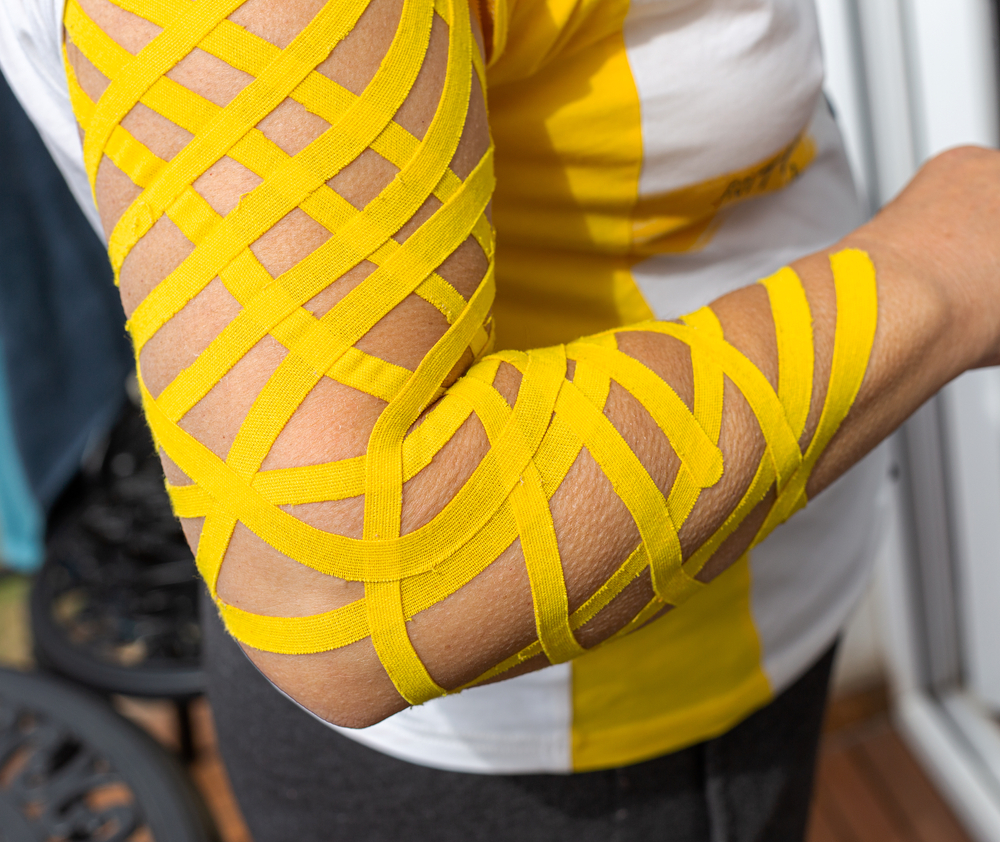
Sports and physical activity are essential for maintaining a healthy lifestyle, but they also increase the risk of injuries. From professional athletes to gym enthusiasts and people who exercise occasionally, sports injuries can affect anyone. Muscle pain, ligament strain, joint stiffness, and delayed recovery are common complaints. While conventional treatments like painkillers and physiotherapy are widely used, many people are now turning to acupuncture as a natural and effective approach for sports injury recovery and muscle healing.
Acupuncture is a time-tested therapy that not only treats pain but also addresses the root cause of injury, promotes faster healing, and prevents future damage.
Common Causes of Sports Injuries
Sports injuries usually occur due to a combination of physical stress, improper technique, and inadequate recovery time. Some of the most common causes include:
1. Overuse of Muscles and Joints
Repeating the same movement again and again—such as running, lifting weights, or playing racquet sports—can strain muscles, tendons, and ligaments. Overuse injuries include tendonitis, shin splints, and stress fractures.
2. Poor Warm-Up and Cool-Down
Skipping warm-up exercises before activity or stretching after workouts increases muscle stiffness and reduces flexibility, making the body more prone to injury.
3. Improper Technique or Posture
Incorrect body alignment during exercise, sports, or weight training can put unnecessary pressure on joints and muscles, leading to injuries like lower back pain, shoulder strain, or knee problems.
4. Sudden Impact or Trauma
Falls, collisions, or sudden movements can cause acute injuries such as sprains, muscle tears, ligament damage, or fractures.
5. Muscle Imbalance and Weak Core
Weak supporting muscles or poor core strength can overload specific muscle groups, increasing the risk of injury.
Common Types of Sports Injuries
- Muscle strain and tears
- Ligament sprains (ankle, knee, wrist)
- Tennis elbow and golfer’s elbow
- Frozen shoulder and rotator cuff injuries
- Knee pain (ACL strain, runner’s knee)
- Lower back pain
- Achilles tendonitis
- Shin splints
These injuries often cause pain, swelling, restricted movement, and reduced performance.
How Acupuncture Helps in Sports Injuries
Acupuncture works by stimulating specific points on the body using fine, sterile needles. These points help regulate the nervous system, improve blood circulation, and activate the body’s natural healing response.
1. Reduces Pain Naturally
Acupuncture stimulates the release of endorphins—natural pain-relieving chemicals in the body. This helps reduce pain without the side effects of painkillers.
2. Improves Blood Circulation
Increased blood flow delivers oxygen and nutrients to injured tissues, which speeds up healing and reduces inflammation.
3. Relaxes Tight Muscles
Muscle tightness is a major cause of pain and restricted movement. Acupuncture helps relax spasms and stiffness, improving flexibility and mobility.
4. Reduces Inflammation and Swelling
By regulating inflammatory pathways, acupuncture helps reduce swelling around joints and muscles, promoting faster recovery.
5. Supports Nerve Healing
In injuries involving nerve compression or irritation, acupuncture helps improve nerve signaling and reduces numbness or tingling sensations.
Acupuncture for Muscle Recovery After Exercise
Even without a serious injury, intense physical activity can cause muscle soreness and fatigue. This is known as Delayed Onset Muscle Soreness (DOMS). Acupuncture is highly effective for post-workout recovery.
Benefits include:
- Faster muscle repair
- Reduced soreness and stiffness
- Improved range of motion
- Better energy levels
- Enhanced athletic performance
Many athletes use acupuncture regularly to maintain peak physical condition and prevent overtraining injuries.
Preventing Sports Injuries with Acupuncture
Acupuncture is not only a treatment—it is also a powerful preventive therapy.
1. Corrects Muscle Imbalances
By improving muscle coordination and flexibility, acupuncture helps balance muscle groups and reduces excessive strain.
2. Improves Joint Stability
Regular sessions help strengthen surrounding muscles and improve joint support, reducing the risk of sprains.
3. Enhances Body Awareness
Acupuncture improves neuromuscular communication, helping athletes recognize early signs of stress or injury.
4. Reduces Stress and Mental Fatigue
Mental stress can affect physical performance and increase injury risk. Acupuncture calms the nervous system and improves focus.
What to Expect During Acupuncture Treatment for Sports Injuries
- Detailed Assessment: Injury history, pain location, movement restriction, and lifestyle factors are evaluated.
- Customized Treatment Plan: Points are selected based on injury type, severity, and recovery goals.
- Minimal Discomfort: The needles are very fine, and most patients feel little to no pain.
- Session Duration: Each session lasts around 30–45 minutes.
- Number of Sessions: Acute injuries may improve in a few sessions, while chronic injuries may require a structured treatment plan.
Acupuncture can safely be combined with physiotherapy, rehabilitation exercises, and conventional medical care.
Who Can Benefit from Acupuncture for Sports Injuries?
- Professional athletes
- Gym-goers and fitness enthusiasts
- Runners and cyclists
- Yoga practitioners
- People with physically demanding jobs
- Individuals recovering from old or recurring injuries
Is Acupuncture Safe for Sports Injuries?
Yes, acupuncture is a safe and natural therapy when performed by a trained and licensed practitioner. It has minimal side effects and does not interfere with medications or other treatments.
Conclusion
Sports injuries can disrupt daily life, limit performance, and cause long-term discomfort if not treated properly. Acupuncture offers a holistic and effective solution by reducing pain, accelerating healing, and preventing future injuries. Whether you are recovering from a muscle strain, joint injury, or simply want faster recovery after workouts, acupuncture supports your body’s natural healing process without dependence on medication.