
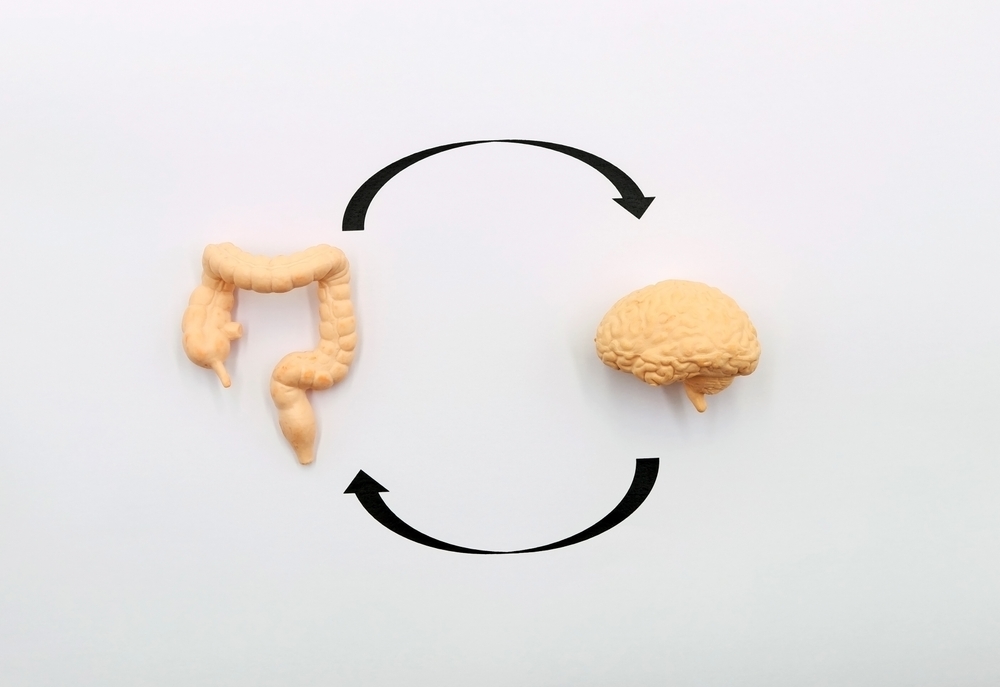
The human body functions as an integrated system, where physical and mental health are deeply interconnected. One of the most fascinating and important links in modern health science is the gut–brain connection—the two‑way communication between the digestive system and the brain. Digestive problems often coexist with mental health concerns such as stress, anxiety, depression, and brain fog. Acupuncture, a key therapy in Traditional Chinese Medicine (TCM), offers a natural and holistic approach to restoring balance between the gut and the brain.
Understanding the Gut–Brain Connection
The gut and the brain communicate constantly through a complex network known as the gut–brain axis. This communication occurs via:
- The vagus nerve
- Hormones and neurotransmitters
- The immune system
- Gut microbiota (beneficial bacteria)
Nearly 90% of serotonin, the “feel‑good” neurotransmitter, is produced in the gut. This explains why digestive health directly affects mood, emotions, sleep, and mental clarity. When gut function is disturbed, mental health often suffers—and vice versa.
Acupuncture works by regulating this communication pathway, calming the nervous system, improving digestion, and restoring emotional balance.
Causes of Gut–Brain Imbalance
Several factors can disrupt the gut–brain connection, leading to both digestive and mental health issues.
1. Chronic Stress and Anxiety
Stress alters gut motility, increases inflammation, and affects gut bacteria. Long‑term stress can lead to irritable bowel syndrome (IBS), acidity, bloating, and mood disorders.
2. Poor Diet and Lifestyle
Processed foods, excess sugar, caffeine, and irregular eating habits negatively affect gut bacteria and brain chemistry.
3. Imbalanced Gut Microbiome
Antibiotic overuse, infections, or poor nutrition can reduce beneficial gut bacteria, impairing digestion and mental health.
4. Hormonal Imbalances
Hormones influence both digestion and emotions. Imbalances can trigger constipation, diarrhea, anxiety, mood swings, and fatigue.
5. Sleep Disturbances
Poor sleep disrupts gut healing and increases stress hormones, worsening digestive and psychological symptoms.
6. Emotional Suppression
Unprocessed emotions, grief, or trauma can manifest as digestive discomfort, according to both modern research and TCM principles.
Symptoms of a Weak Gut–Brain Connection
When the gut and brain are out of balance, symptoms often appear in both systems.
Digestive Symptoms
- Bloating and gas
- Acidity and heartburn
- Constipation or diarrhea
- Irritable bowel syndrome (IBS)
- Poor appetite or cravings
- Nausea and indigestion
Mental and Emotional Symptoms
- Anxiety and nervousness
- Depression or low mood
- Brain fog and poor concentration
- Mood swings
- Chronic fatigue
- Sleep problems
Recognizing these combined symptoms is essential for effective treatment.
How Acupuncture Supports the Gut–Brain Connection
Acupuncture involves inserting fine, sterile needles into specific points on the body to stimulate healing and restore balance. It addresses both physical and emotional health simultaneously.
1. Regulates the Nervous System
Acupuncture activates the parasympathetic nervous system (rest‑and‑digest mode), reducing stress and calming the mind. This directly improves digestion and emotional stability.
2. Improves Digestive Function
Specific acupuncture points enhance stomach and intestinal motility, reduce inflammation, and improve nutrient absorption.
3. Balances Neurotransmitters
Acupuncture helps regulate serotonin, dopamine, and endorphins, improving mood while supporting gut health.
4. Reduces Gut Inflammation
By improving blood flow and immune regulation, acupuncture reduces intestinal inflammation linked to anxiety and depression.
5. Strengthens the Gut Microbiome
Regular acupuncture sessions may positively influence gut bacteria, supporting long‑term digestive and mental wellness.
Prevention: Strengthening the Gut–Brain Axis Naturally
Acupuncture is most effective when combined with preventive lifestyle measures.
1. Stress Management
Regular acupuncture sessions help manage daily stress and prevent stress‑related digestive flare‑ups.
2. Balanced Diet
A gut‑friendly diet rich in fiber, probiotics, fruits, vegetables, and whole foods supports both digestion and mental clarity.
3. Mindful Eating
Eating slowly and without distractions improves digestion and reduces gut‑brain stress signals.
4. Quality Sleep
Acupuncture supports better sleep patterns, allowing the gut and brain to heal naturally.
5. Physical Activity
Gentle exercises such as yoga, walking, and stretching enhance gut motility and mental relaxation.
Treatment: Acupuncture for Digestive and Mental Health
Personalized Acupuncture Plans
Each patient receives a customized treatment plan based on symptoms, lifestyle, and energy imbalances.
Conditions Commonly Treated
- IBS and functional digestive disorders
- Acid reflux and gastritis
- Anxiety and stress‑related disorders
- Depression and emotional imbalance
- Psychosomatic digestive complaints
Frequency of Sessions
Most patients benefit from weekly sessions initially, followed by maintenance treatments for long‑term balance.
Safe and Complementary Approach
Acupuncture can safely complement modern medical treatments, enhancing overall results without harmful side effects.
Benefits of Acupuncture for Gut–Brain Health
- Natural stress relief
- Improved digestion and bowel regularity
- Enhanced mood and emotional resilience
- Better sleep quality
- Increased energy and mental clarity
- Holistic mind–body balance
Conclusion
The gut–brain connection plays a vital role in overall health, influencing digestion, emotions, immunity, and quality of life. Acupuncture offers a powerful, natural solution by addressing the root causes of imbalance rather than just managing symptoms. By calming the nervous system, improving digestive function, and supporting mental well‑being, acupuncture helps restore harmony between the gut and the brain.
If you experience ongoing digestive problems along with stress, anxiety, or mood disturbances, acupuncture may be an effective and holistic path toward lasting health and balance.